A place to start
Begin with the people and activities the person actually enjoys, then solve the practical barriers to taking part. Meaningful connection looks different for everyone.
A busy calendar can still feel lonely. A quiet afternoon with someone who understands you can feel entirely different. When families talk about helping an older relative stay connected, the first question is not how many activities to add. It is what kind of company the person misses or wants.
Ask about connection without making assumptions.
The National Institute on Aging distinguishes loneliness, a feeling of disconnection, from social isolation, having limited social contact. Someone can live alone and feel connected, or be surrounded by people and still feel lonely. Ask how the person experiences their days rather than drawing a conclusion from their address.
Try a specific invitation: “Who would you enjoy seeing more often?” or “What have you stopped doing that you would like to try again?” Give space for an answer that differs from your own idea of a good afternoon.
Work out what makes participation difficult.
A familiar interest may still be appealing even when the usual way of doing it no longer works. Ask about the journey, timing, noise, seating, cost and the effort required to get ready. A smaller group, a quieter room or a visit at another time may be worth exploring.
| The person would enjoy… | A possible first step | Check beforehand |
|---|---|---|
| Seeing an old friend | A short visit at an agreed time | Transport, comfort and how long to stay |
| Sharing an interest | One meeting or activity as a guest | Group format, access and welcome arrangements |
| Keeping in touch from home | A regular phone or video conversation | Preferred device, sound and help setting it up |
| Contributing something | A manageable role in a familiar group | What is expected and what support is available |
| More everyday company | A recurring meal or shared routine | Whether the arrangement is enjoyable and sustainable |
Explore Dallas’s official senior programs.
Dallas Park and Recreation’s Active Senior Adult Programs page lists activities and dedicated senior centers. Examples include creative activities, book clubs, games and walking groups. Use the official page to find a starting point, then confirm current eligibility, scheduling, registration, fees and access with the center.
Ask whether the activity suits the person’s support needs and whether an accompanying helper is required or welcome. A community recreation program should not be assumed to provide personal care, supervision or transportation. One exploratory visit can be enough to learn whether the setting feels right.
Try a small weekly plan and revise it together.
Choose one familiar connection and one optional new experience. Put the details somewhere the person prefers, such as a paper calendar. Agree who will make arrangements and what happens if someone cancels. Leave room for rest and for saying no.
Afterward, ask what they enjoyed, what was tiring and whether they would choose to do it again. A successful plan is one the person wants to repeat, not one that fills every space. If loneliness or low mood is persistent or affecting everyday life, raise it with a qualified health professional.
Ask about ordinary life when you tour a home.
When considering residential care, ask how personal interests, quiet time, visits and shared activities fit into a real week. Meet the people involved and discuss what support is actually available. Moving is not a guaranteed solution to loneliness.
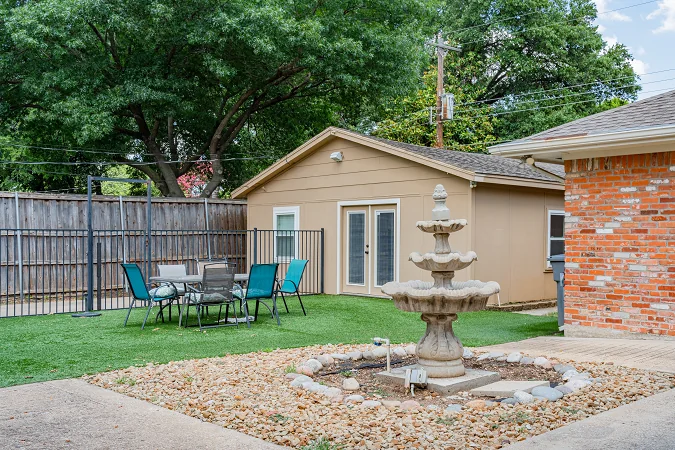
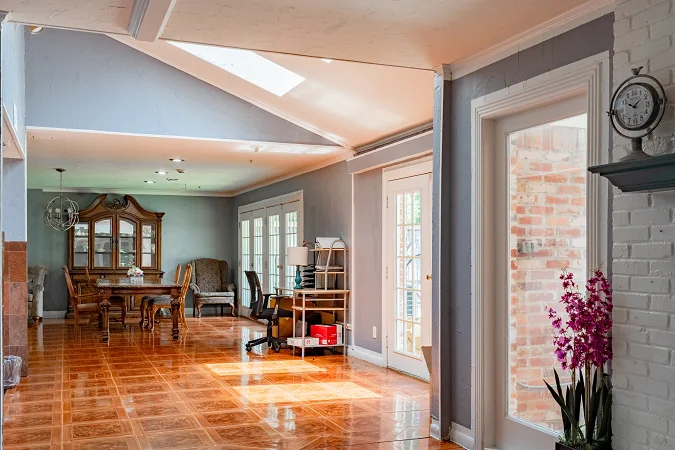
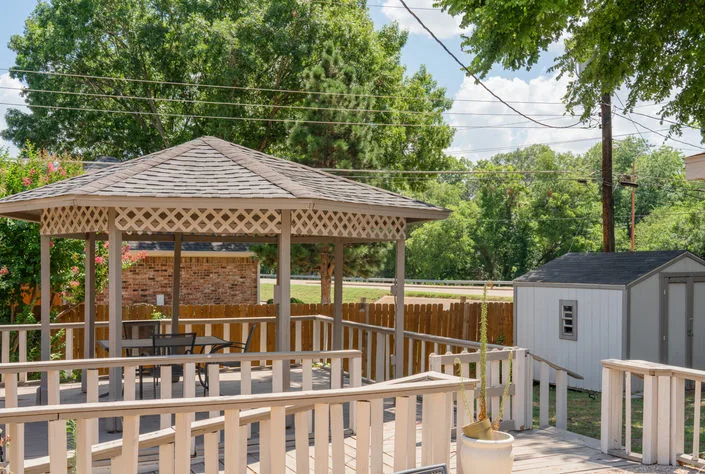
At Optimal, you can see the shared spaces, explore everyday life in our homes and arrange a visit. Bring the person’s own preferences to that conversation so the idea of home includes how they want to spend their days.
This guide offers general planning information, not a clinical assessment. Discuss individual symptoms and care needs with a qualified health professional.
Sources & further reading
Care, insurance or regulatory references used in this guide. Consult the source for its full guidance.
- National Institute on Aging: Loneliness, social isolation and staying connected
- Dallas Park and Recreation: Active Senior Adult Programs
Sources checked November 17, 2026.
About our sources and editorial standards
Questions about our Dallas homes? Call 415-359-7998 or arrange a tour. Please keep medical records and sensitive health details out of the website form.