A place to start
Choose an activity because it matters to the person. Adjust the setting and support to their current preferences and abilities.
“Activities” can sound like a packed calendar. For a family visiting someone with dementia, it can mean sharing one familiar part of life: a favorite subject, a small household task or a few minutes of music chosen by the person.
Begin with a person, not a generic list.
The Alzheimer’s Association advises considering interests, abilities, former routines and the times of day that work best when planning daily activities. It also recommends flexibility and a balance of activity and rest. These are useful starting points for a conversation with the care team.
Ask the resident what they enjoy now. A lifelong interest can offer an idea, but it should not become an obligation. Someone who once hosted large gatherings may prefer a quiet visit today.
Turn an interest into one manageable invitation.
The following are family conversation examples, not a prescribed therapy plan or a promise about Optimal’s activity schedule. Check the activity, materials and level of assistance with the care team.
| A personal interest | An invitation to discuss | A question for the team |
|---|---|---|
| Clothing and color | Choose between two scarves for a family photograph. | Is this a comfortable time for a photo, and does the person want one? |
| A favorite place | Look together at a few pictures of that place. | Would printed pictures or a screen be easier to use? |
| Family correspondence | Choose a greeting for a card to a relative. | What assistance or materials would make this comfortable? |
Write a short activity note.
Use five headings: what we might try, why the person may enjoy it, what to bring, what help is needed and what we can do instead. Leave room for the resident to decline. This sheet helps a relative prepare without turning the visit into an assignment.
Afterward, record a concrete observation such as “preferred the printed pictures” rather than a judgment about performance. Discuss concerns with staff and adjust the next invitation to the person’s response.
Ask about everyday life during a tour.
At a Dallas memory-care tour, ask for examples of what residents choose to do in that particular home and how individual interests are learned. Ask who helps, what outside activities involve and how the plan changes when someone wants quiet time.
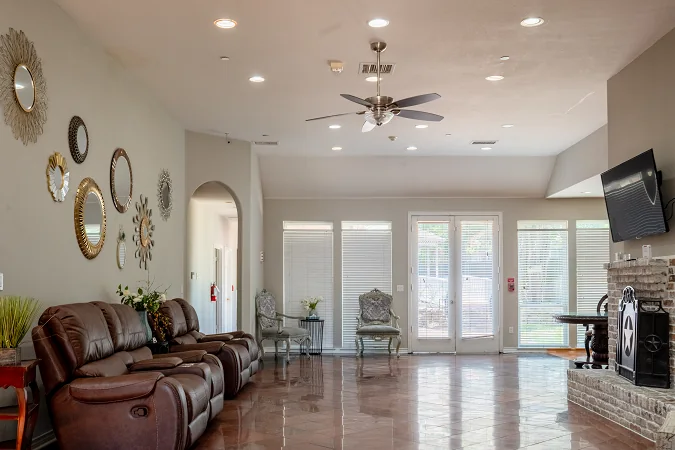
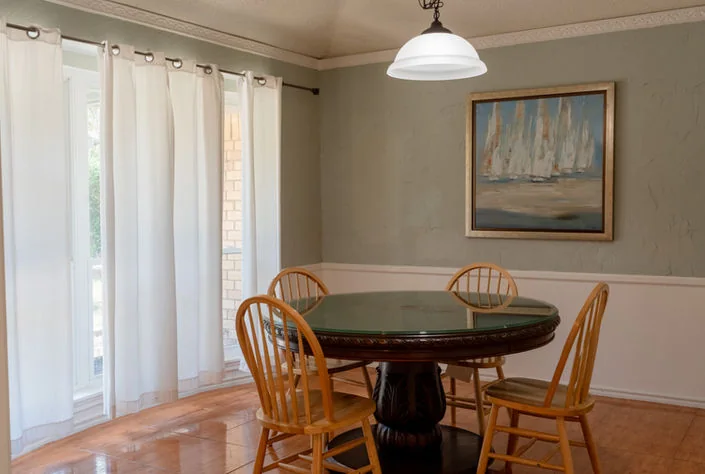
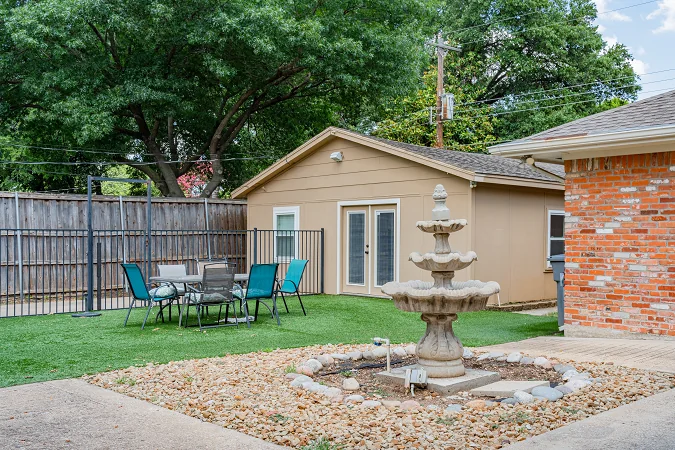
Explore memory care at Optimal or bring your questions to a visit. Photos of our living rooms and outdoor spaces show the setting; the conversation should establish which activities and support are suitable for your loved one.
Plan the next conversation.
- Help a care home get to know the person behind the paperwork.
- More than a full calendar: staying connected as you get older.
This guide offers general planning information, not a clinical assessment. Discuss individual symptoms and care needs with a qualified health professional.
Sources & further reading
Care, insurance or regulatory references used in this guide. Consult the source for its full guidance.
Sources checked November 17, 2026.
About our sources and editorial standards
Questions about our Dallas homes? Call 415-359-7998 or arrange a tour. Please keep medical records and sensitive health details out of the website form.