A place to start
Describe what helps the person hear, see and participate. Ask how the home would support those needs, and take changes in hearing or vision to the appropriate clinician.
A tour can look comfortable to one visitor and be difficult for another to follow. Hearing and vision questions are part of understanding whether the actual environment and communication arrangements suit the prospective resident.
Describe the situations that are difficult.
Ask the person when communication or everyday tasks are harder: a busy dining table, a dim room, small print or several people speaking at once. Record what they say helps, rather than assuming every person with a similar diagnosis needs the same solution.
New or changing symptoms need appropriate clinical assessment. Neither a care-home tour nor a family worksheet can identify the cause. Ask the treating professional which recommendations should be shared with the home and through what private process.
Make conversations easier to join.
NIDCD suggests practical communication steps such as facing the person and reducing background noise. The National Eye Institute describes aids, lighting and accessible device settings as options to discuss for low vision. Individual needs differ; those ideas are not a substitute for professional recommendations.
During a visit, ask where a quieter conversation could happen and whether written information can be presented in a useful format. Speak to the person directly, allow time to respond and ask what works best instead of automatically speaking only to the accompanying relative.
Clarify responsibility for everyday items.
| Topic | Agree on the practical arrangement |
|---|---|
| Glasses and hearing devices | Where are they kept, how are they identified and what help is needed to use them? |
| Charging or batteries | Who follows the device instructions and checks that supplies are available? |
| Loss or damage | Who is contacted and how is replacement or repair arranged? |
| Calls and visits | What setting, device or communication format does the resident prefer? |
| Appointments | Who books, accompanies and follows up with the relevant professional? |
Check the offered room and shared spaces.
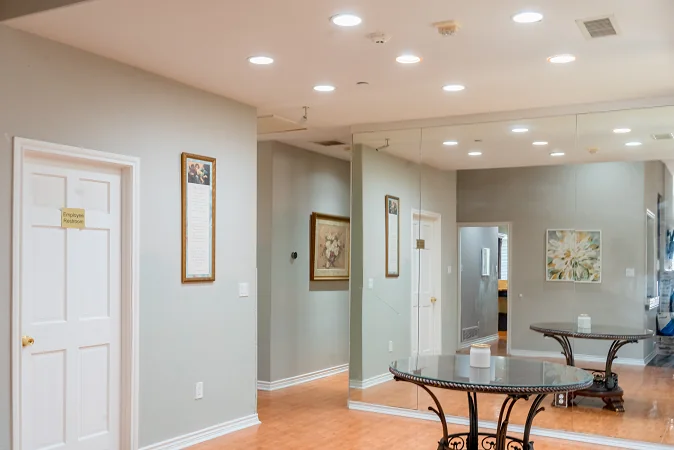
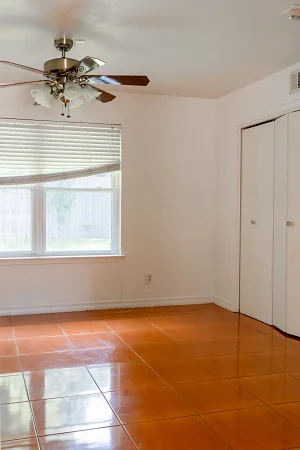
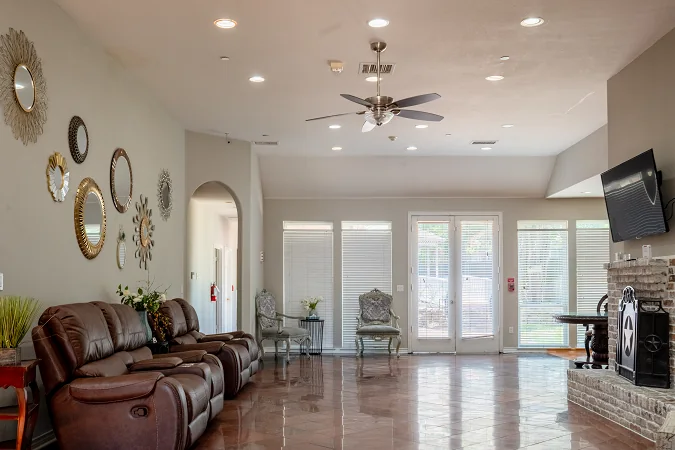
Look at the actual place the resident would read, eat, receive visitors and request help. Ask how lighting, glare, noise and the method of calling for assistance would be considered for this person. Avoid promising that a decorative change will resolve a functional difficulty.
Ask about the review process if a device becomes difficult to use or the person’s needs change. A general statement that staff are helpful does not identify who is responsible for a specific task.
Keep professional care and home support connected.
Ask the provider to confirm what assistance it can offer and how instructions reach the appropriate team member. Optimal does not advertise on-site audiology, optometry or a particular assistive-device program through this page.
Bring these questions to a tour and include the person’s communication preferences in a short personal introduction. The goal is meaningful participation in daily life, with clear arrangements rather than assumptions.
Plan the next conversation.
- Make the most of a doctor’s appointment: a checklist for older adults.
- More than a full calendar: staying connected as you get older.
This guide offers general planning information, not a clinical assessment. Discuss individual symptoms and care needs with a qualified health professional.
Sources & further reading
Care, insurance or regulatory references used in this guide. Consult the source for its full guidance.
- National Institute on Deafness and Other Communication Disorders: Age-related hearing loss
- National Eye Institute: Low vision
Sources checked November 17, 2026.
About our sources and editorial standards
Questions about our Dallas homes? Call 415-359-7998 or arrange a tour. Please keep medical records and sensitive health details out of the website form.