A place to start
A familiar address works best with reliable support. Assisted living may help when daily care and connection are difficult to arrange at home, but the actual care plan and the person’s preferences determine fit.
Home can hold a lifetime of memories. It can also become harder to enjoy when essential help is missing, getting out is difficult or most days pass without the company someone wants. A care decision should consider what an ordinary day will actually offer: support, choice, connection and room to enjoy life.
Why does reliable daily care matter?
Good intentions need a practical plan. If someone needs assistance at a particular time, identify who will be there, what they can do and who covers an absence. An occasional visit does not answer the same question as a dependable arrangement for the full day.
At home, a family might coordinate relatives, paid caregivers and other services. In assisted living, the provider must explain its staffing and the agreed scope of help. Either plan needs to address the actual individual. A building’s appearance or a reassuring service name cannot do that work.
Care and companionship deserve separate questions.
The National Institute on Aging links loneliness and social isolation with health risks and encourages meaningful connection. Living alone does not necessarily mean being lonely, and being surrounded by people does not guarantee belonging. Ask how the person feels about their social life.
Find out which connections matter: a quiet conversation, a familiar faith community, meals with others, a hobby or visits from family. Compare how those preferences would be supported in each setting. A schedule of activities is useful only if the person wants to participate and can access them.
A residential home can offer shared spaces and opportunities to spend time with others. Ask what happens in practice, how residents choose their activities and how quiet time is respected. A move is not a treatment or a guarantee that loneliness will disappear.
Compare an ordinary day in both settings.
| Priority | Remaining at home | Moving to assisted living |
|---|---|---|
| Daily assistance | Which tasks are covered by booked visits or agreed family help? | Which tasks can staff provide for this resident under the agreement? |
| Evenings and nights | Who is available after scheduled help leaves? | What is the overnight coverage and how does the resident request help? |
| Meals and routines | Who handles food and the routines that need assistance? | How are preferences discussed, and what help is available at meals? |
| Social connection | What wanted contact and outings can happen reliably? | Which shared experiences suit the person, with what choice and support? |
| Privacy and independence | Which familiar routines and choices can be preserved? | What personal space, routines and decisions remain the resident’s? |
| Changes and backup | What happens if a caregiver cancels or needs increase? | How are concerns reviewed, and what needs exceed the home’s capabilities? |
When can staying at home be a workable choice?
The National Institute on Aging describes aging in place as a planning process that may include personal assistance, meals, transport, home adaptations and community services. Consider the help needed now and how the plan would change later.
A home arrangement deserves serious consideration when the person prefers it and the required support can be organized reliably, appropriately and within the available budget. Confirm provider qualifications, schedules and backup. Set a date to review whether the plan is doing what everyone expected.
Families do not have to compare supported residential care with an entirely unsupported person at home. Price and evaluate the real alternatives. Our Dallas caregiver resources offer independent starting points for finding help.
When might assisted living offer a better daily arrangement?
Consider it when the current plan repeatedly leaves important tasks uncovered, arranging support has become unsustainable, or the person wants a different social and living environment. A suitable home may bring daily assistance and shared living into one setting. Confirm that the actual service matches the reasons for considering a move.
Ask for an example of a typical day, discuss the resident’s preferences and review the proposed agreement. Ask what happens when needs change. If nursing, rehabilitation or other clinical services are required, work with the care team to identify the appropriate setting rather than assuming assisted living can provide them.
Families still have a place after a move.
Moving does not end a family relationship or remove the need to stay involved. Agree on visits, contact with staff and how the resident wants relatives included. Talk openly about which responsibilities the provider assumes and which remain with the family or outside professionals. Use a family communication plan to make those expectations clear.
Explore the actual homes in Dallas.
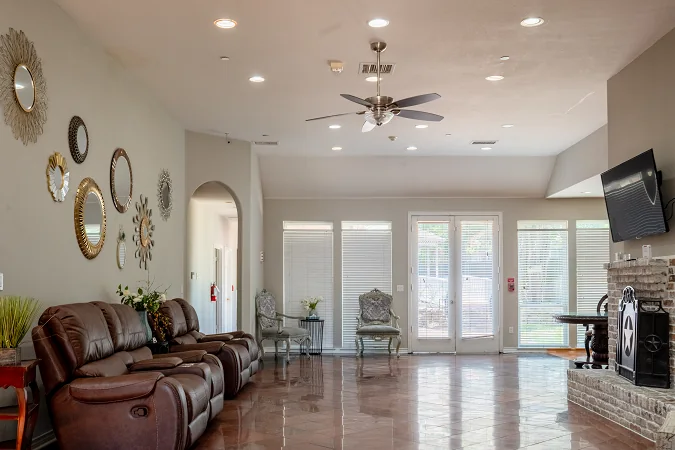
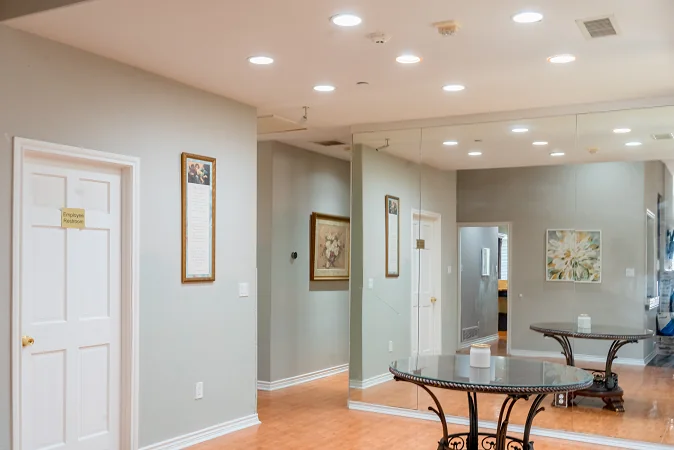
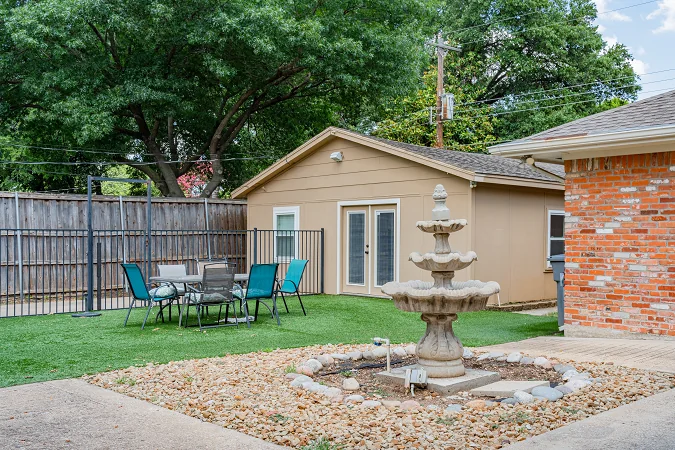
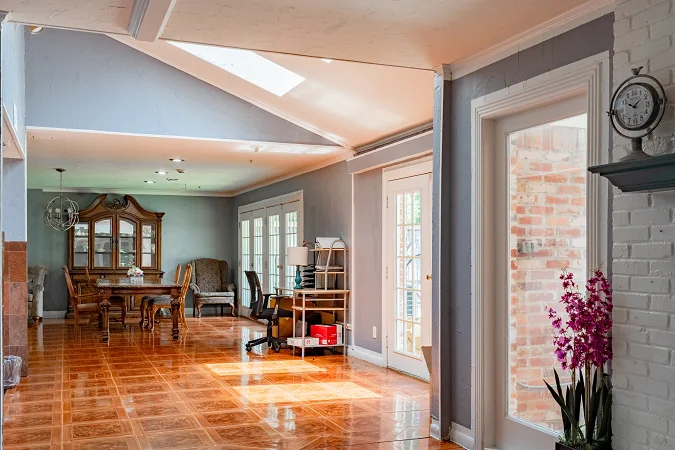
Optimal offers assisted living and memory care at Royal Lane, Lavendale Circle and Merriman Parkway. Each home has capacity for eight residents. Caregiver coverage is two from 7 a.m. to 7 p.m. and one overnight; it is not continuous nursing coverage. Optimal does not provide care in a client’s own home through this brand.
Compare our three homes, read the guide to recognizing changing support needs and arrange a visit. The aim is a care arrangement your loved one can feel part of, with realistic support for the life they want to live.
Plan the next conversation.
This guide offers general planning information, not a clinical assessment. Discuss individual symptoms and care needs with a qualified health professional.
Sources & further reading
Care, insurance or regulatory references used in this guide. Consult the source for its full guidance.
- National Institute on Aging: Aging in place, growing older at home
- National Institute on Aging: Loneliness and social isolation, tips for staying connected
- National Institute on Aging: Types of residential long-term care
Sources checked November 17, 2026.
About our sources and editorial standards
Questions about our Dallas homes? Call 415-359-7998 or arrange a tour. Please keep medical records and sensitive health details out of the website form.