A place to start
Ask the team to walk you through real situations from your loved one’s day. Detailed answers are more useful than a general promise of personalized care.
A memory-care tour is a chance to understand how a home would support a particular person. Bring a short account of their routines and a few situations you want the team to explain, rather than relying only on a brochure’s service list.
Prepare a personal starting point.
The Alzheimer’s Association recommends identifying the person’s care needs and involving them in decisions when possible. Before the visit, write down preferences, communication needs and questions for the provider. Arrange a private way to discuss clinical information; leave diagnoses and medical documents out of a public website form.
Include something positive and specific: a favorite kind of music, a familiar breakfast or an activity the person enjoys. Ask how the home would learn about these preferences and make them available to the people providing care.
Ask for examples across the day.
- “If my relative wakes before breakfast, what would that morning look like?”
- “If they want a quieter space while others are gathering, where could they go?”
- “How would you approach a difficult moment during a familiar routine?”
- “Who would speak with us if the arrangement stopped working well?”
- “How do day and overnight staff pass along what they have learned?”
These are prompts for a discussion, not a clinical checklist or a guarantee that one approach suits everyone. Ask for clarification when an answer describes an aspiration without explaining the process.
Clarify supervision, training and clinical support.
The Alzheimer’s Association’s residential-care guidance includes questions about staff training, medical support and family communication. Ask who is present at each time of day, how staff prepare for dementia care and how outside clinicians are involved when needed.
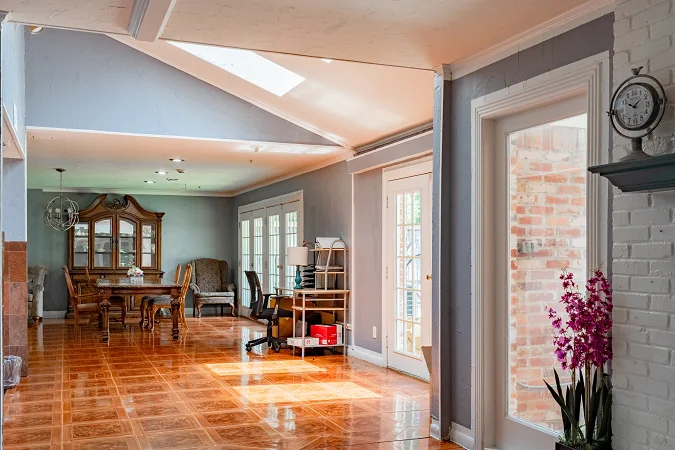
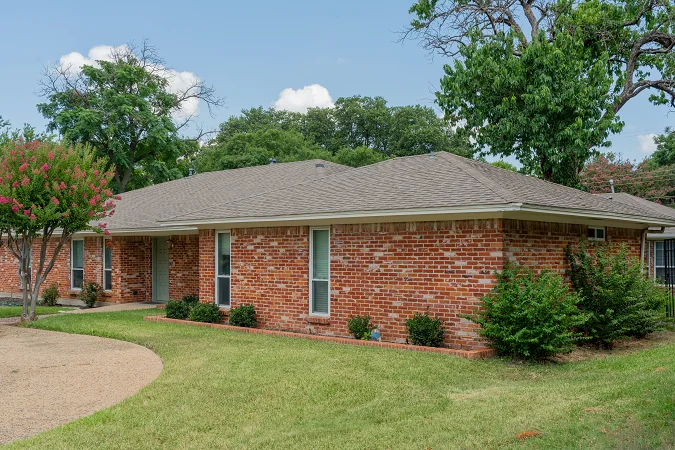
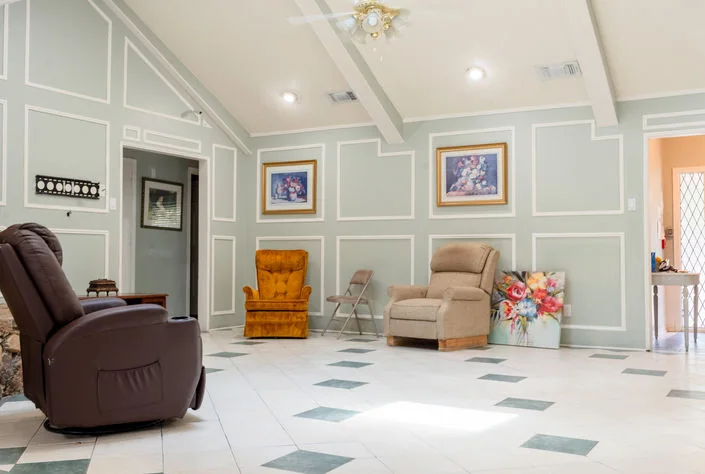
At Optimal, each home accommodates up to eight residents, with two caregivers from 7 a.m. to 7 p.m. and one overnight. Ask directly how this arrangement relates to your loved one’s needs. A small resident count alone does not answer questions about individual support.
Discuss the limits before discussing a move.
Ask which needs the home cannot meet and how a change would be handled. Who begins a reassessment? How would the family be involved? What would happen if a different setting became necessary? Request the relevant admissions and notice terms so you can review them carefully.
Compare answers after the visit.
Keep three headings in your notes: clear answers, follow-up questions and preferences you still need to discuss. Bring them to a second conversation before signing an agreement. You can explore Optimal’s Dallas memory-care homes and request a tour when you are ready.
This guide offers general planning information, not a clinical assessment. Discuss individual symptoms and care needs with a qualified health professional.
Sources & further reading
Care, insurance or regulatory references used in this guide. Consult the source for its full guidance.
Sources checked November 17, 2026.
About our sources and editorial standards
Questions about our Dallas homes? Call 415-359-7998 or arrange a tour. Please keep medical records and sensitive health details out of the website form.