A place to start
Start with a few meaningful belongings and the actual room measurements. Confirm furniture, electrical items and safe routes before buying or moving anything.
A room can feel more personal without trying to recreate an entire house. Begin with the objects the resident would choose to see and use each day.
Ask what feels like home to the person.
It may be a family photograph, a familiar bedcover, a small collection of books or a favorite piece of art. Let the resident choose where possible. A family’s decorating taste is not necessarily the same as the person’s sense of comfort.
Separate a meaningful object from its size or replacement value. A few well-chosen items can make the first move manageable while leaving room to decide what else is useful after the resident has spent time there.
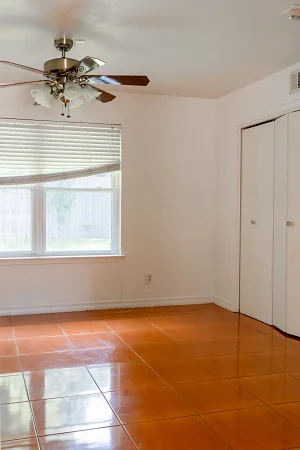
Measure the offered room before making purchases.
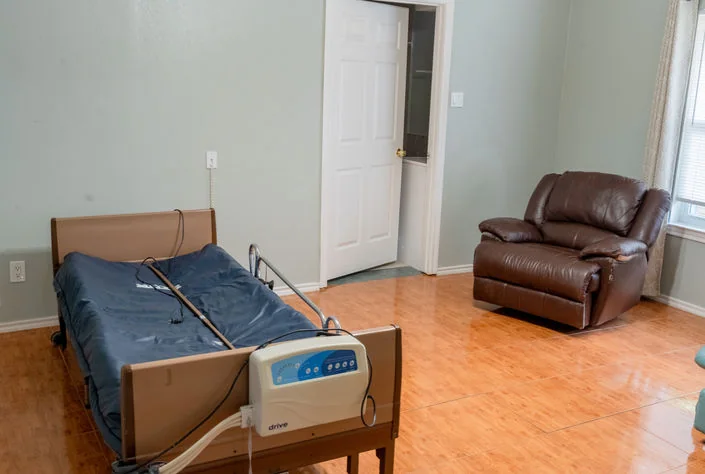
Ask what furniture is supplied and which personal pieces may be brought. Check dimensions, doorways, storage and the space needed for everyday movement or equipment. Discuss placement with the home and relevant professionals where assistance or mobility needs are involved.
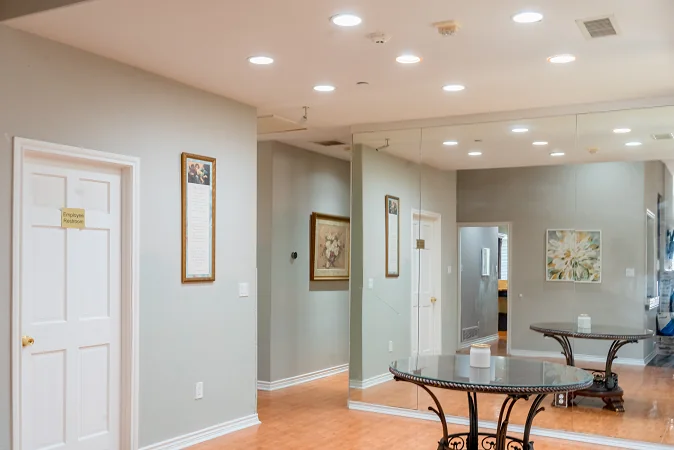
A website photograph is not a measured floor plan or a promise that the pictured room is available. At Optimal, discuss the actual offered room at Royal Lane, Lavendale Circle or Merriman Parkway.
Use a keep, measure and confirm list.
| Item | Question to resolve |
|---|---|
| Chair or small furniture | Does it fit the agreed layout and support the person’s needs? |
| Photos and wall art | What hanging method is permitted and who installs it? |
| Lamp or other electrical item | Is it permitted, and how will cords and placement be handled? |
| Bedding and clothing | What sizes, laundry arrangements and labeling method are appropriate? |
| Valuables | Does the person want them there, and what storage and record are appropriate? |
Personalize without filling every surface.
Keep frequently used items where the resident and home agree they belong. Ask before adding rugs, heavy furniture, extension leads or items that could obstruct a route. Leave enough space for the assistance and equipment the person actually uses.
Texas resident-rights guidance addresses personal belongings and furniture, with space and health-and-safety considerations. The applicable room arrangement still needs to be discussed. Ask an independent adviser or ombudsman if you have questions about rights rather than guessing from a decorating rule.
Make the first setup easy to revise.
Create a simple inventory of important belongings and agree how items are identified. After move-in, ask the resident what is missing, inconvenient or unnecessary. Change the room with their involvement rather than treating the first setup as permanent.
Our moving checklist covers the broader arrival plan. This page focuses on making the space personal while keeping the home’s agreed arrangements clear.
Sources & further reading
Care, insurance or regulatory references used in this guide. Consult the source for its full guidance.
Sources checked November 17, 2026.
About our sources and editorial standards
Questions about our Dallas homes? Call 415-359-7998 or arrange a tour. Please keep medical records and sensitive health details out of the website form.