A place to start
First establish the care setting the discharge team recommends. Then confirm that a particular home can meet those needs before arranging a transfer.
A hospital stay can turn a future housing conversation into an immediate family decision. It helps to separate two questions: what care is needed after discharge, and where the person may want to live over the longer term.
Start with the discharge team’s recommendation.
Ask the hospital’s doctor, nurse, social worker or discharge planner to explain the recommended next setting and why it is appropriate. If rehabilitation or skilled nursing is recommended, ask what would need to change before residential assisted living could be considered. Do not assume that a care home can substitute for those services.
Medicare’s discharge checklist encourages patients and caregivers to plan with the care team, obtain understandable written instructions, clarify equipment and follow-up arrangements, and review the updated medication list. Use the official checklist linked below during that conversation.
Keep the care decision separate from room availability.
An available bedroom does not establish that a home can provide the required support. Ask the prospective home to review the relevant information through an agreed private channel and explain what it can accommodate. Request a clear answer before making transport or moving arrangements.
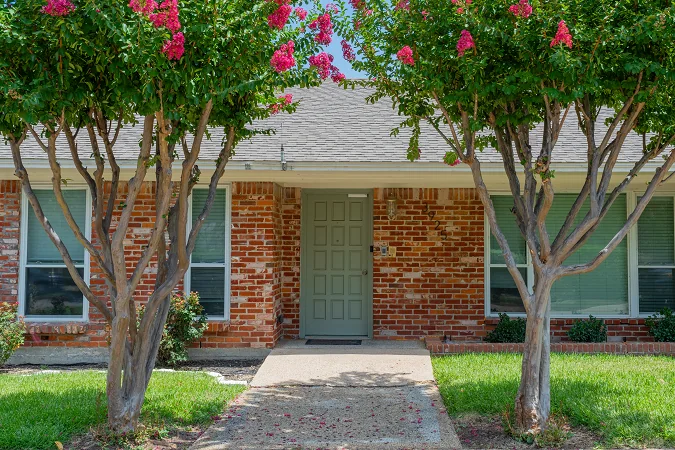
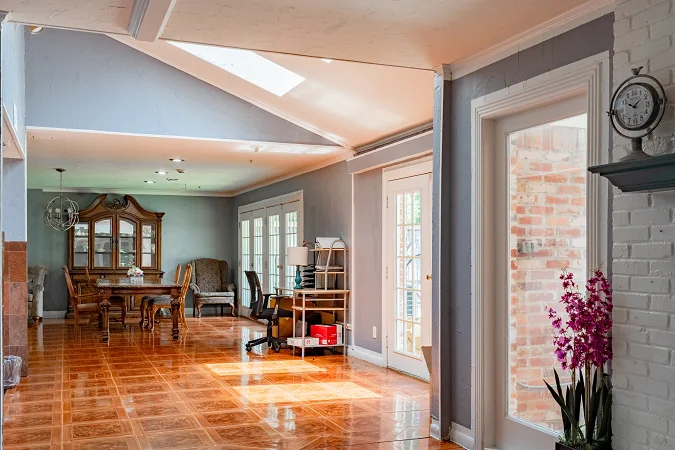
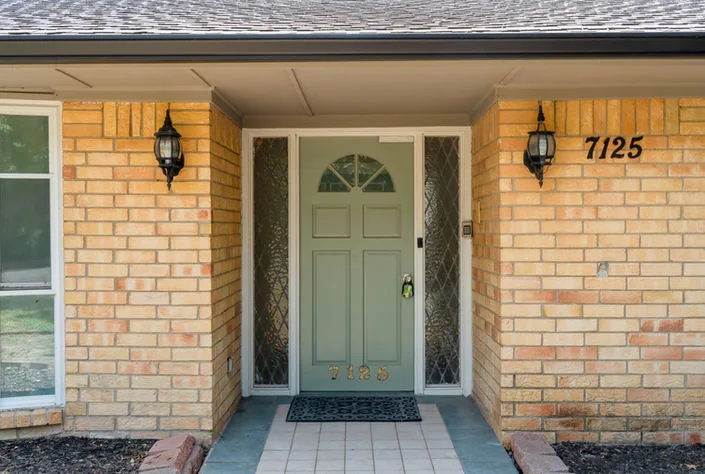
Optimal offers assisted living and memory care at three Dallas homes. We are not presenting these homes as hospitals, skilled nursing facilities or rehabilitation centers. Contact Ajoy to discuss an assessment and whether a home may be suitable; we cannot promise immediate admission or acceptance of every discharge need.
Give each handoff a named contact.
A family member may be speaking with several teams at once. Keep a simple coordination sheet with each organization’s name, the responsible contact and the next question to resolve. Ask the resident who they want involved and clarify who is authorized to receive information.
| Conversation | What to clarify |
|---|---|
| Discharge team | Recommended setting, outstanding instructions and who will answer clinical questions. |
| Prospective home | Care fit, assessment, room arrangements and who confirms acceptance. |
| Family coordinator | The agreed home address, arrival arrangements and who accompanies the resident. |
| Insurer or benefits contact | Which services are covered and which costs the family must plan for. |
Ask about daily life beyond the first arrival.
Once the setting is agreed, discuss familiar clothing, meaningful belongings, meal preferences and how visitors can help the person settle in. Also ask how the home will communicate with the family and how concerns should be raised. A rushed decision can leave ordinary questions unanswered; writing them down keeps them visible.
If your family lives elsewhere, our long-distance search guide offers ways to organize visits and family communication. Professionals can use our professional inquiry page to begin a suitability conversation without sending health records through the public form.
This guide offers general planning information, not a clinical assessment. Discuss individual symptoms and care needs with a qualified health professional.
Sources & further reading
Care, insurance or regulatory references used in this guide. Consult the source for its full guidance.
Sources checked November 17, 2026.
About our sources and editorial standards
Questions about our Dallas homes? Call 415-359-7998 or arrange a tour. Please keep medical records and sensitive health details out of the website form.