A place to start
Persistent poor sleep or daytime sleepiness deserves a conversation with a clinician. Keep a simple record and clarify nighttime support without starting sleep medicines or supplements on your own.
A family may first notice a sleep problem through the next day: a parent is exhausted during a visit, misses a familiar activity or says they have been awake for hours. Asking what the nights are actually like is more useful than assuming that poor sleep is simply part of getting older.
Bring persistent changes to a clinician.
NIA explains that sleep patterns can change with age, while illness, medications and sleep disorders can also affect rest. It recommends talking with a doctor about ongoing sleep difficulty or frequent sleepiness. A clinician can assess possible causes and advise on an appropriate approach.
Do not use this guide to choose a sleep aid. Discuss medicines and supplements with the clinician or pharmacist, including products sold without a prescription. An advertised “natural” product is not a substitute for checking suitability.
Make the pattern easier to explain.
NIA suggests a sleep diary to support the clinical conversation. Keep the record simple enough to use: bedtime, waking periods, getting-up time and how the next day feels. Note relevant routines or changes without turning the diary into a self-diagnosis.
If a family member or caregiver contributes observations, distinguish what they saw from what the person reported. Respect privacy, and agree who will receive the record.
| Area | Question to describe |
|---|---|
| Main difficulty | Is it falling asleep, waking, waking early or feeling unrefreshed? |
| Timing | When did the change start, and how often does it occur? |
| Daytime effect | Which usual activities are becoming harder? |
| Other observations | What symptoms or recent changes should the clinician hear about? |
| Current products | Which prescriptions, nonprescription medicines and supplements are being used? |
| Follow-up | What should be tried, tracked or reviewed next, and by whom? |
Separate comfort preferences from clinical instructions.
Ask the person about their preferred evening routine, light, temperature, noise and time for settling down. These preferences can be recorded alongside, but should not replace, instructions from treating professionals. Avoid making several changes at once without understanding what the person wants and what their clinician recommends.
If care is shared, confirm which instructions are current. Keep a dated note of the agreed routine so a new helper does not have to reconstruct it from several relatives’ memories.
Discuss nights before agreeing to a move.
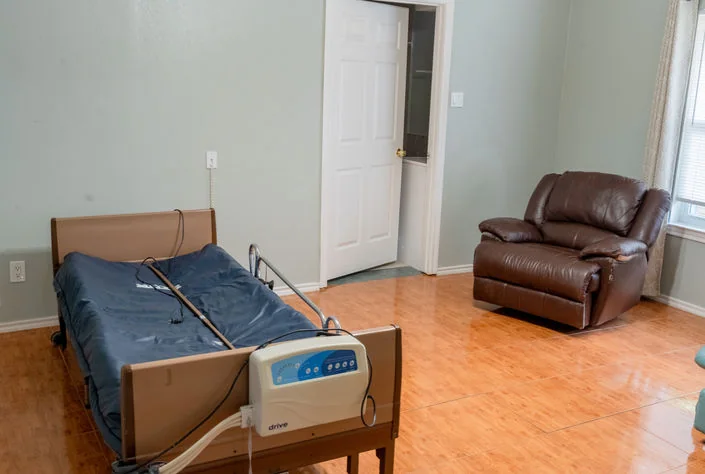
On a care-home tour, ask how residents request help, who is present overnight, how nighttime concerns are communicated and which needs the home cannot meet. Ask about the actual room’s arrangement and how outside clinical recommendations would be discussed.
Optimal’s published schedule is two caregivers from 7 a.m. to 7 p.m. and one overnight per home. That is caregiver coverage, not an assurance of continuous one-to-one observation or overnight nursing. Read the nighttime support guide and discuss individual needs during a suitability conversation. A move should not be represented as a treatment for a sleep disorder.
This guide offers general planning information, not a clinical assessment. Discuss individual symptoms and care needs with a qualified health professional.
Sources & further reading
Care, insurance or regulatory references used in this guide. Consult the source for its full guidance.
Sources checked November 18, 2026.
About our sources and editorial standards
Questions about our Dallas homes? Call 415-359-7998 or arrange a tour. Please keep medical records and sensitive health details out of the website form.