A place to start
Give the second visit a purpose: resolve the unanswered points that could change your decision. Confirm the actual offered arrangement rather than repeating the first tour.
The first tour may help a home make sense. The second can test whether the specific arrangement makes sense for the person who would live there.
Start with the unanswered questions.
Review the first visit’s notes and separate confirmed facts from impressions. “The living room felt welcoming” is an observation. “Help will be available in the way my parent needs overnight” requires a specific answer about support.
Choose a few questions that could materially change the decision. Send those topics to the home when arranging the visit so the right person can be available. If a question requires an assessment or written quote, ask for that process rather than expecting a tour host to decide it informally.
See the actual room being discussed.
Ask whether the room you saw previously is the one currently offered. Review its bathroom arrangement, storage, route to shared spaces and any personal equipment requirements. A similar-looking room is not necessarily the same option.
Where appropriate, bring the prospective resident and discuss how they would use the space. Let them identify what feels comfortable and what raises questions. Ask permission before measuring, photographing or opening storage areas.
Use the visit to close specific gaps.
| Open point | Useful next step |
|---|---|
| Daily routine | Ask how a specific personal preference would be discussed and accommodated where possible. |
| Night support | Clarify staffing, requesting help and backup arrangements for this person. |
| Dining | Request the current menu and discuss the person’s relevant preferences or instructions privately. |
| Costs | Review the individual written quote and any separately paid items. |
| Communication | Identify the contact and process for routine updates and urgent concerns. |
Ask about another time of day without intruding.
If seeing a different part of the routine would help, ask whether that can be arranged. Do not assume that an unannounced visit or joining a meal is appropriate. Residents’ privacy and the home’s working day matter.
One observation still cannot represent every day. Use it to ask better questions, not to draw broad conclusions about quality from a single meal, activity or quiet moment.
Make the decision record useful.
Afterward, record the person’s preferences, confirmed services, written costs and unresolved conditions. If comparing homes, use the same headings for each and avoid reducing the whole decision to a numerical score that hides an important unmet need.
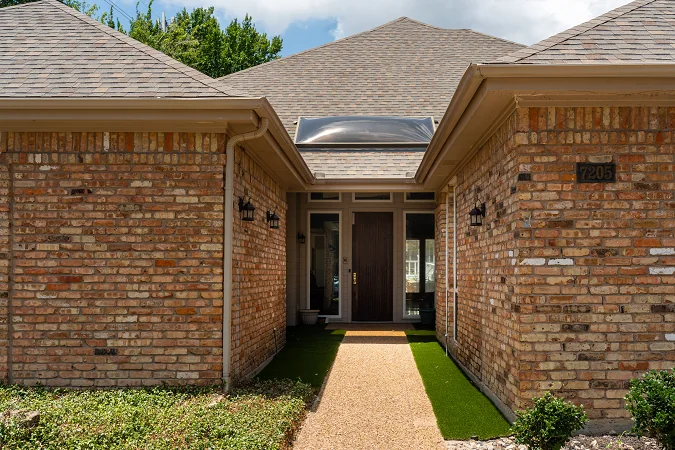
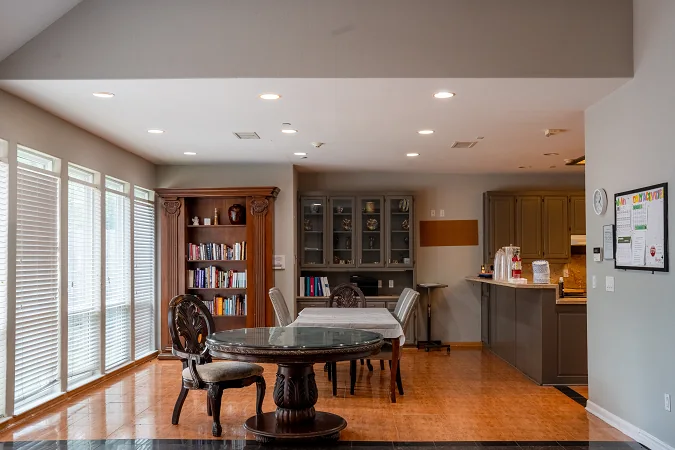
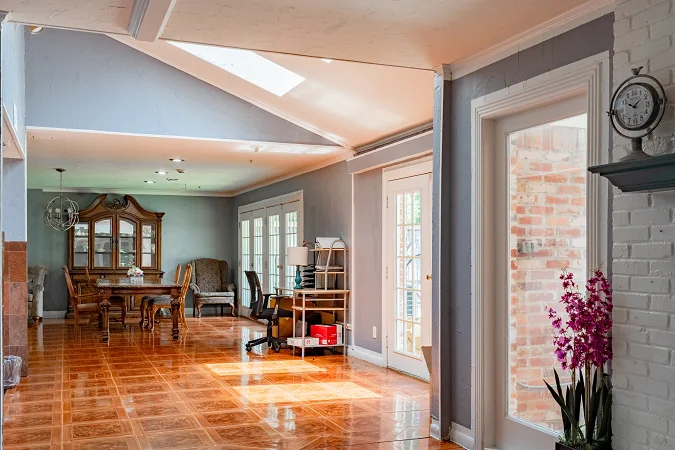
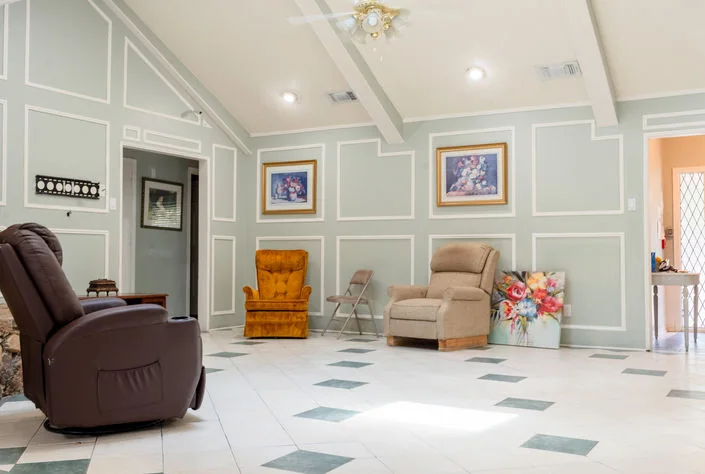
Optimal’s comparison page helps distinguish the three real properties. When ready, review the admissions steps and confirm suitability, availability and the agreement before setting a move date. A second visit should bring clarity; it does not create an obligation to move.
About our sources and editorial standards
Questions about our Dallas homes? Call 415-359-7998 or arrange a tour. Please keep medical records and sensitive health details out of the website form.