A place to start
A menu shows what might be served. A conversation about a person’s preferences and care needs shows whether the arrangement can work for them.
When families tour a care home, the dining room is worth a second look. Picture a normal Tuesday lunch: where your loved one would sit, what they would choose and who would help if they needed support.
Ask for a current menu and the choices around it.
Request a menu for the specific home you are considering, with the dates it covers. Then ask what happens when a resident dislikes the planned meal, sleeps later or prefers a smaller portion. A beautifully presented special-occasion meal does not answer those everyday questions.
Bring two or three examples from your loved one’s real routine: a breakfast they enjoy, an ingredient they avoid and a food with personal or cultural meaning. Ask which preferences the home can accommodate and how the kitchen learns about them.
Discuss nutrition without guessing at a diet.
USDA MyPlate encourages older adults to eat a variety of nutrient-rich foods and to pay attention to added sugar, saturated fat and sodium. That general guidance is a starting point for questions, not a prescribed menu for an individual. Ask the person’s clinician about any specific dietary instructions.
At the home, ask who plans meals, whether a qualified nutrition professional is involved and how any clinician’s instructions would be reviewed. Obtain a clear answer about the particular accommodation required before admission.
Separate preferences, allergies and care needs.
These require different conversations. “Prefers rice with dinner” is not the same request as an allergy or a swallowing concern. Ask how the home records and shares instructions, what it cannot accommodate and who will contact the family if needs change. Do not assume a menu label establishes that a kitchen can meet a clinical requirement.
- Who is available to help during meals, and what does that help include?
- What snacks and drinks can residents request between meals?
- How are substitutions discussed and recorded?
- What arrangements apply to family meals and food brought from outside?
Use your visit to understand the setting.
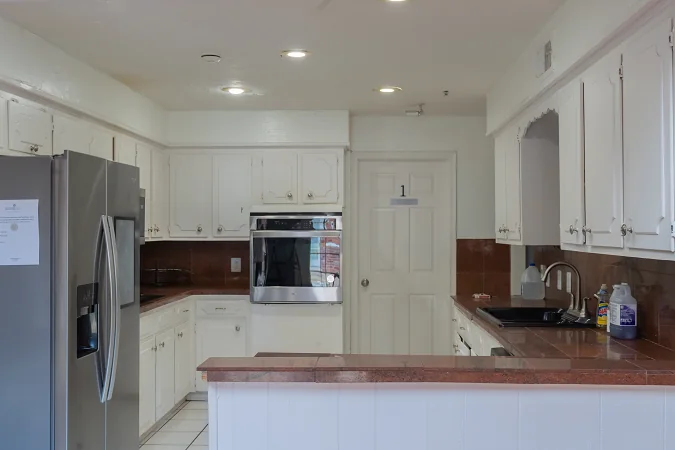
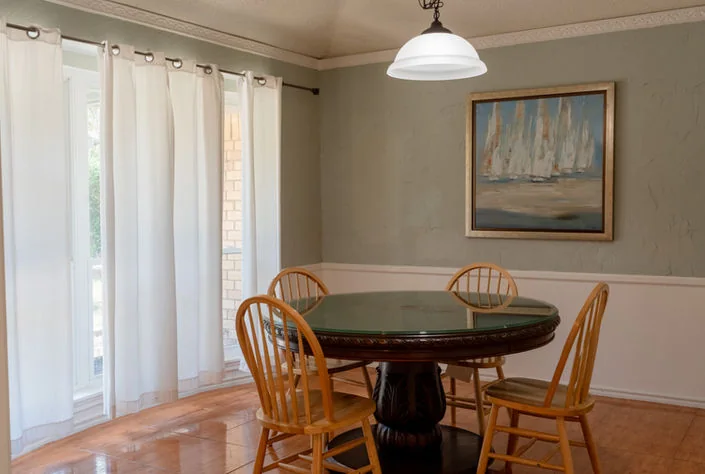
Ask whether you can see the dining space during a suitable time. Notice the route from the resident’s room and discuss their seating preferences. Respect other residents’ privacy; a tour is not permission to photograph someone’s meal or care.
Optimal Cares at Home offers flexible food arrangements in three Dallas homes. Explore our dining page and ask Ajoy for the current menu and the options at Royal Lane, Lavendale Circle or Merriman Parkway. The details should be confirmed for the person and home you are considering.
This guide offers general planning information, not a clinical assessment. Discuss individual symptoms and care needs with a qualified health professional.
Sources & further reading
Care, insurance or regulatory references used in this guide. Consult the source for its full guidance.
Sources checked November 17, 2026.
About our sources and editorial standards
Questions about our Dallas homes? Call 415-359-7998 or arrange a tour. Please keep medical records and sensitive health details out of the website form.